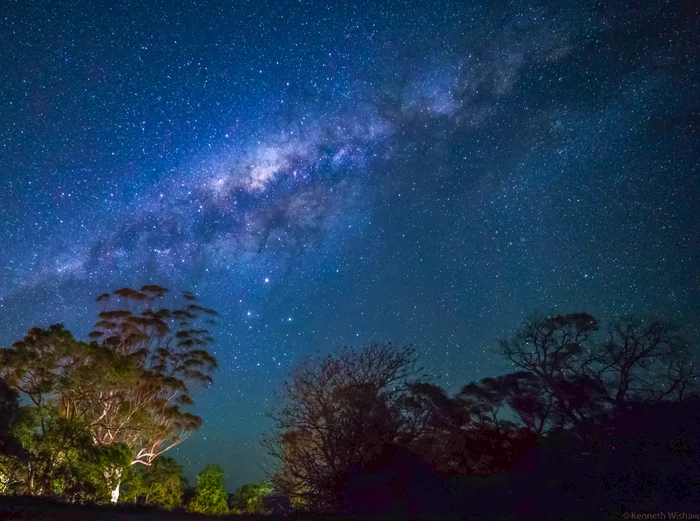
Sunshine Coast hinterland communities treasure star-filled skies. Now, as Queensland’s first Dark Sky Reserve, everyone can help protect dark skies for future generations, as well as for wildlife, lower energy costs, lower emissions and hinterland businesses.
Pages tagged
“Dark Sky Reserve”
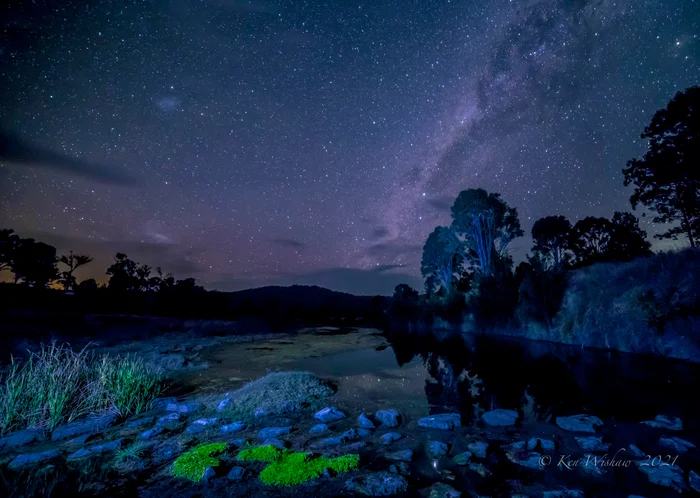
The Sunshine Coast hinterland could soon be home to an internationally recognised Dark Sky Reserve, protecting our precious starry skies for the future.
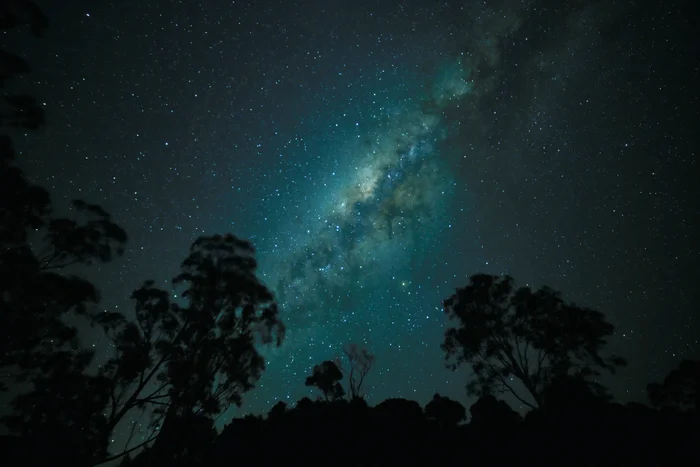
As progress continues toward a proposed Dark Sky Reserve in the Sunshine Coast hinterland, 89 per cent of survey respondent say they'd personally change their habits to help protect dark skies from light pollution.
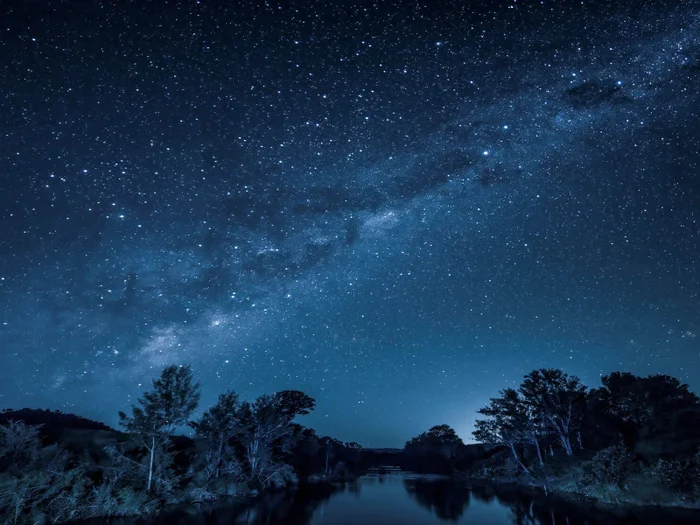
Council has shared key details on its plan to manage lighting in the proposed Dark Sky Reserve for the Sunshine Coast hinterland. The community is invited to have your say on the plan between June 16 and July 11, providing an opportunity for public feedback in the initiative.
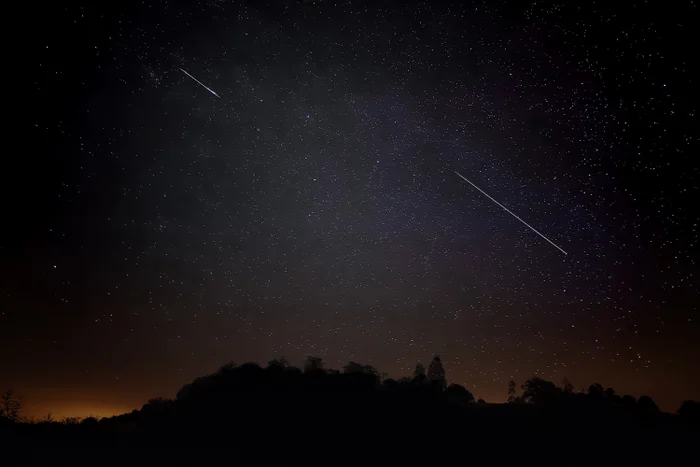
With up to 50 meteors per hour, the meteor shower will be a show for the starry-eyed on the Sunshine Coast.
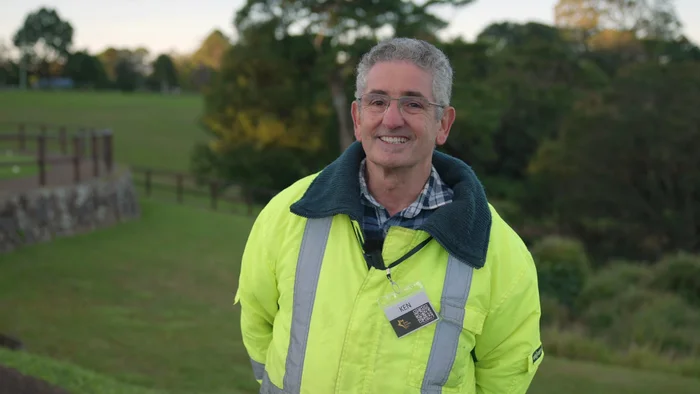
Doctor, anaesthetist, Australia’s first full-time helicopter rescue doctor, medevac officer and medical pioneer Dr Ken Wishaw has taken up a very different mission in retirement.
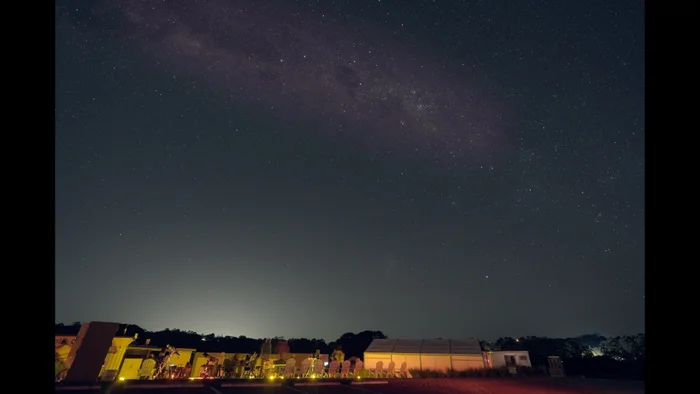
Residents have shared their views on protecting our dark skies as Council considers a proposal to establish a Dark Sky Reserve in the hinterland.
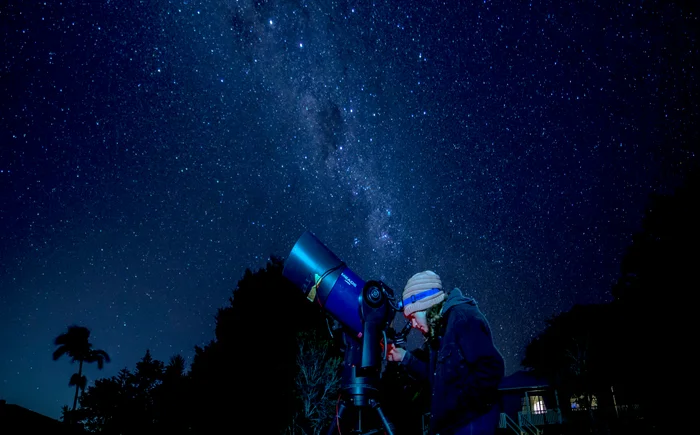
Time is running out to have your say on the proposal to establish a Dark Sky Reserve in the Sunshine Coast hinterland.
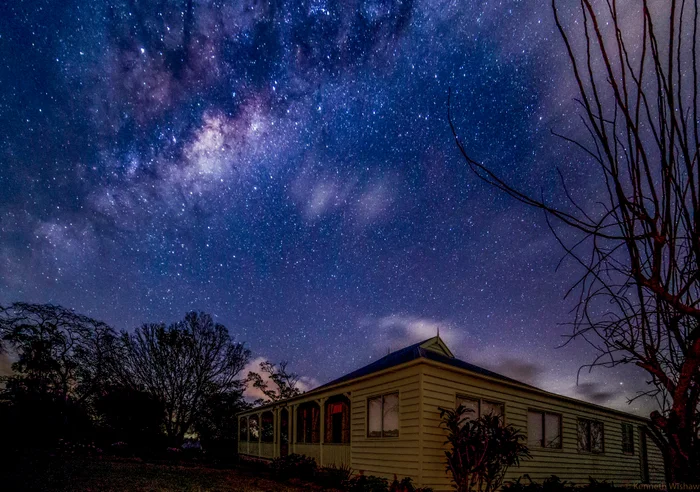
Now is the time to have your say and join our region’s galactic journey to establish a Dark Sky Reserve.
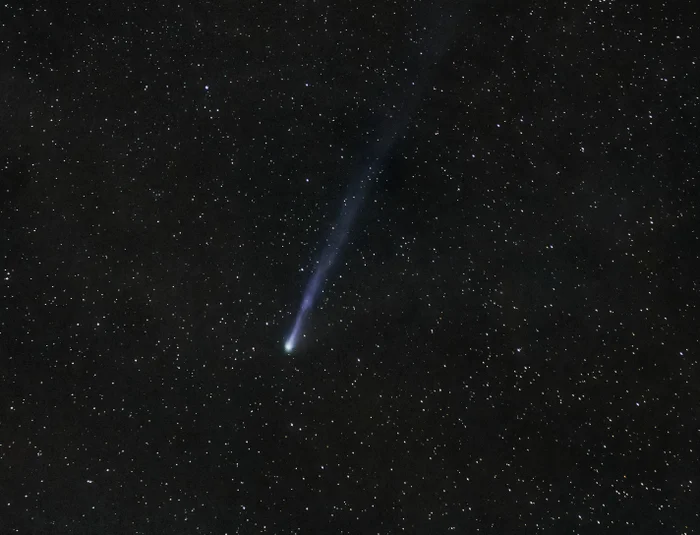
A once-in-71-year astronomical event is unfolding in our night skies, with the Devil's Comet about to reach its brightest. Here's how to see it from the Sunshine Coast.
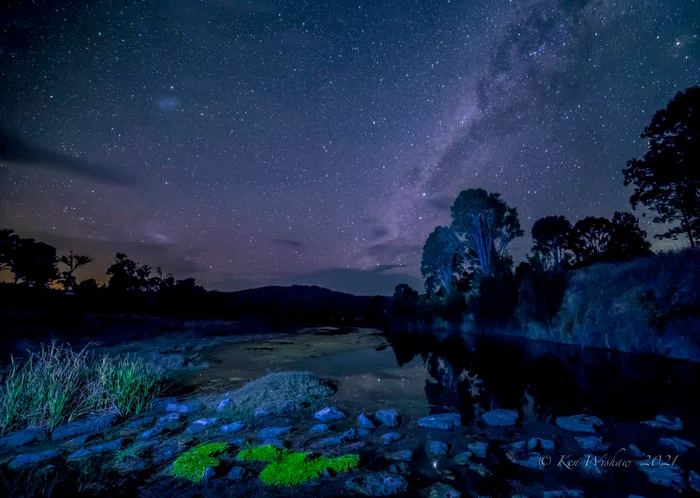
Time to celebrate our night skies for International Dark Sky Week! Have you heard about the proposal for a Dark Sky Reserve in the Sunshine Coast hinterland?
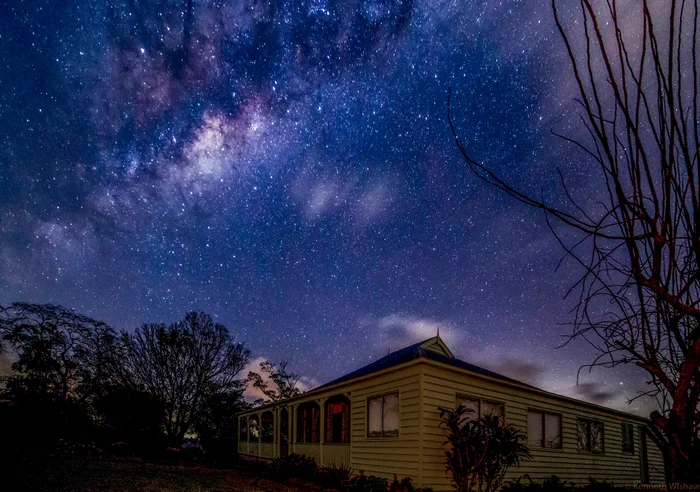
Switch off and look up this Earth Hour, as communities all over the world turn off lights to reconnect with the natural world.
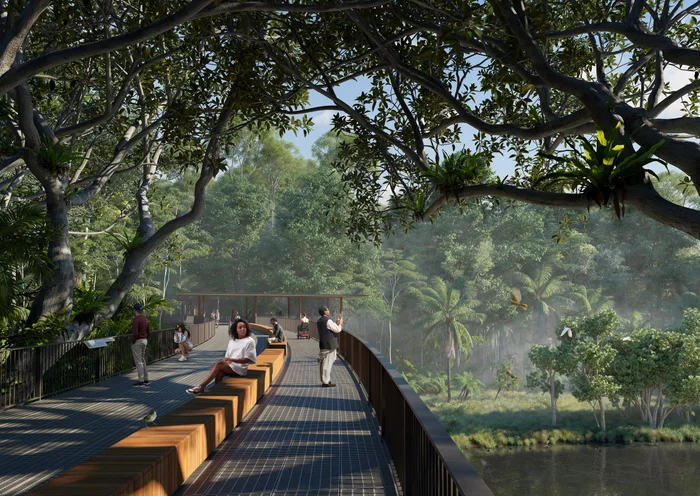
From virtual fauna fences and an ecological wonderland to our new industry-leading “MuRF”, 2023 has been a massive year for environment and sustainability projects on the Sunshine Coast.
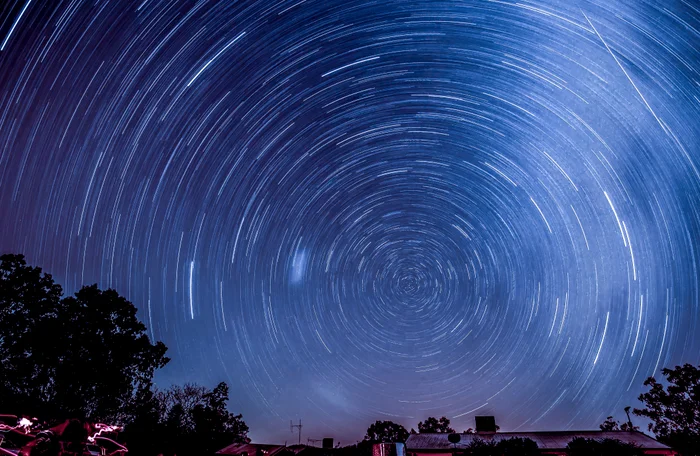
The Geminids meteor shower is set to dazzle our region once again, with stargazers crossing fingers for good weather to see the display of up to 120 meteors per hour.